UMO X

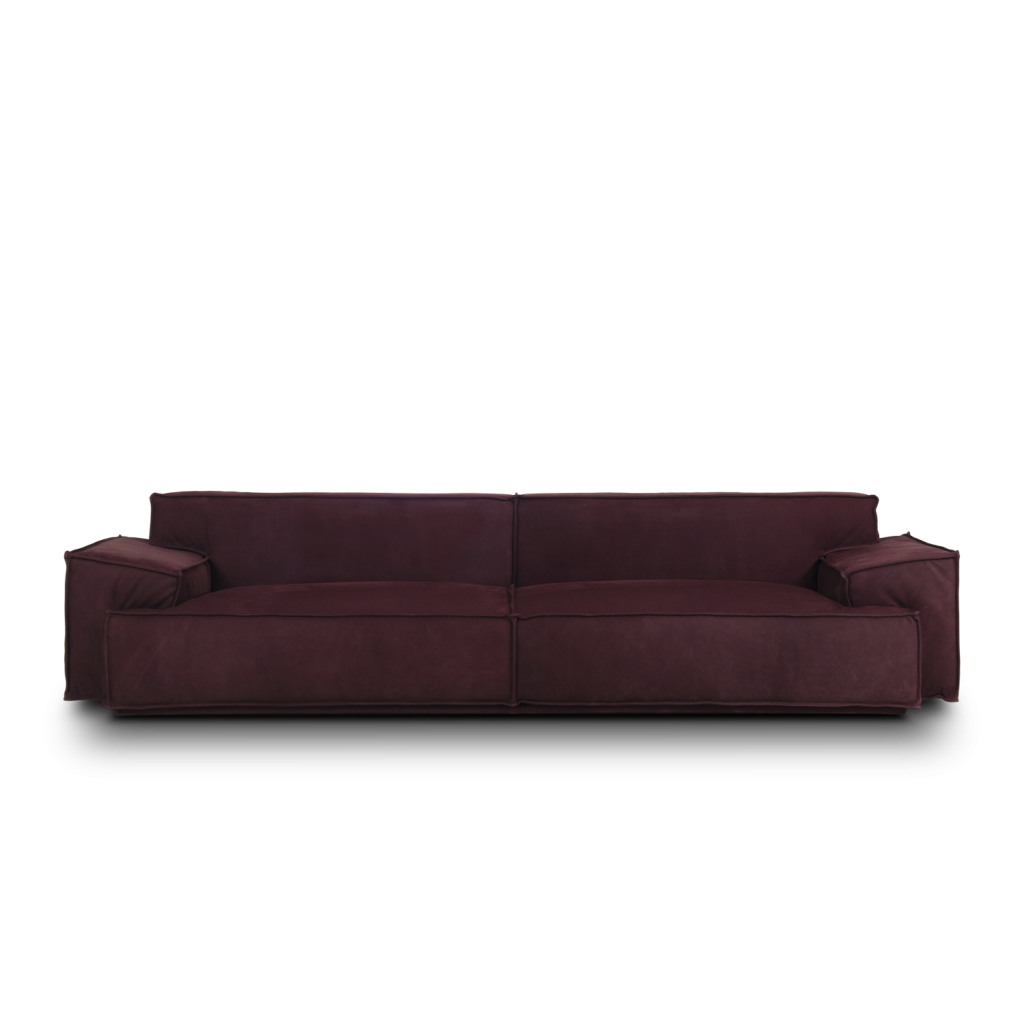
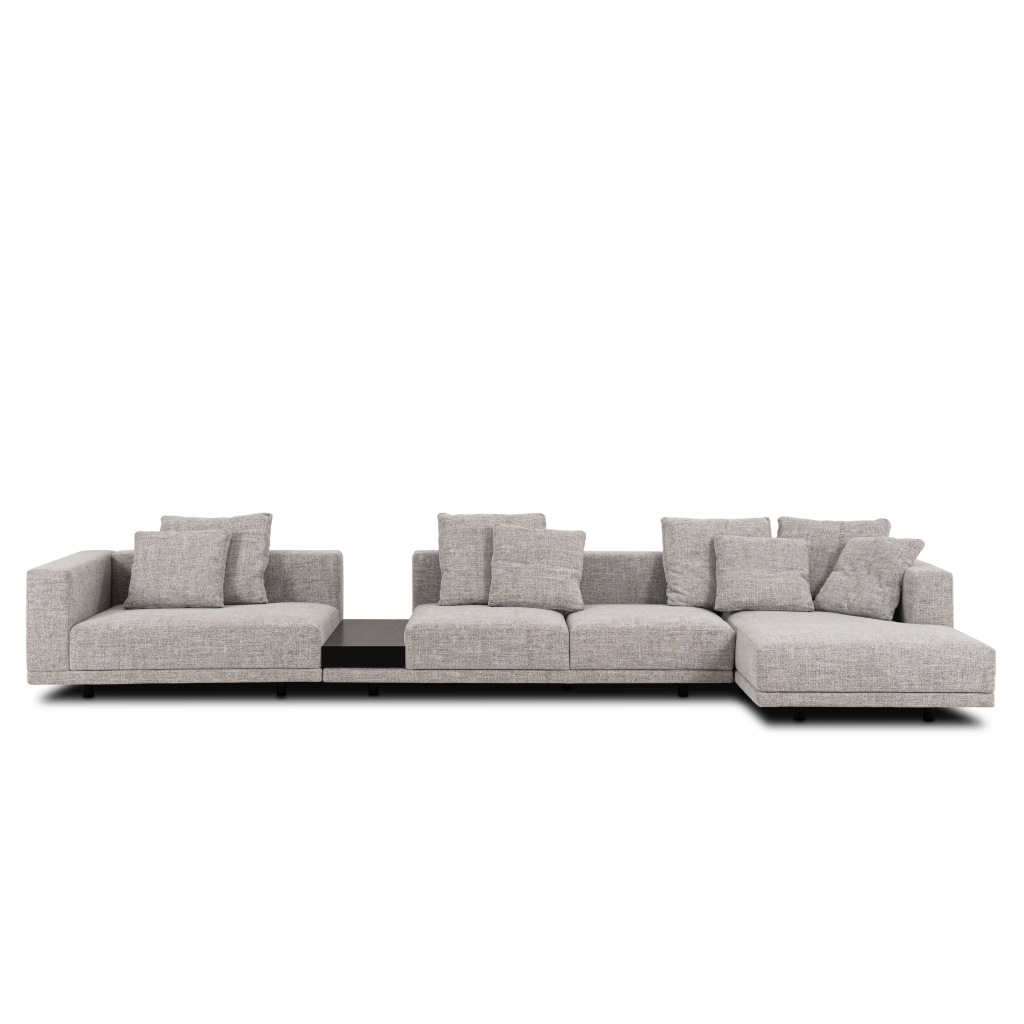
SOFA UMO X

designer: Tomasz Matejczyk

Umo X is a modern sofa bed combining minimalist design with advanced technology. Its electric reclining system provides comfort tailored to various relaxation styles.

Umo X connects minimalist form with modern technology. Simple lines and balanced proportions create a timeless design in which advanced functions have been discreetly integrated into the furniture's design.

The most important solution is two-stage electric folding system. The first stage deepens the seat, creating a comfortable space for resting in a semi-reclining position. The second stage allows the seat to be fully extended, providing a comfortable sleeping function.

An additional convenience is built-in phone charger, which allows you to conveniently use mobile devices while relaxing.

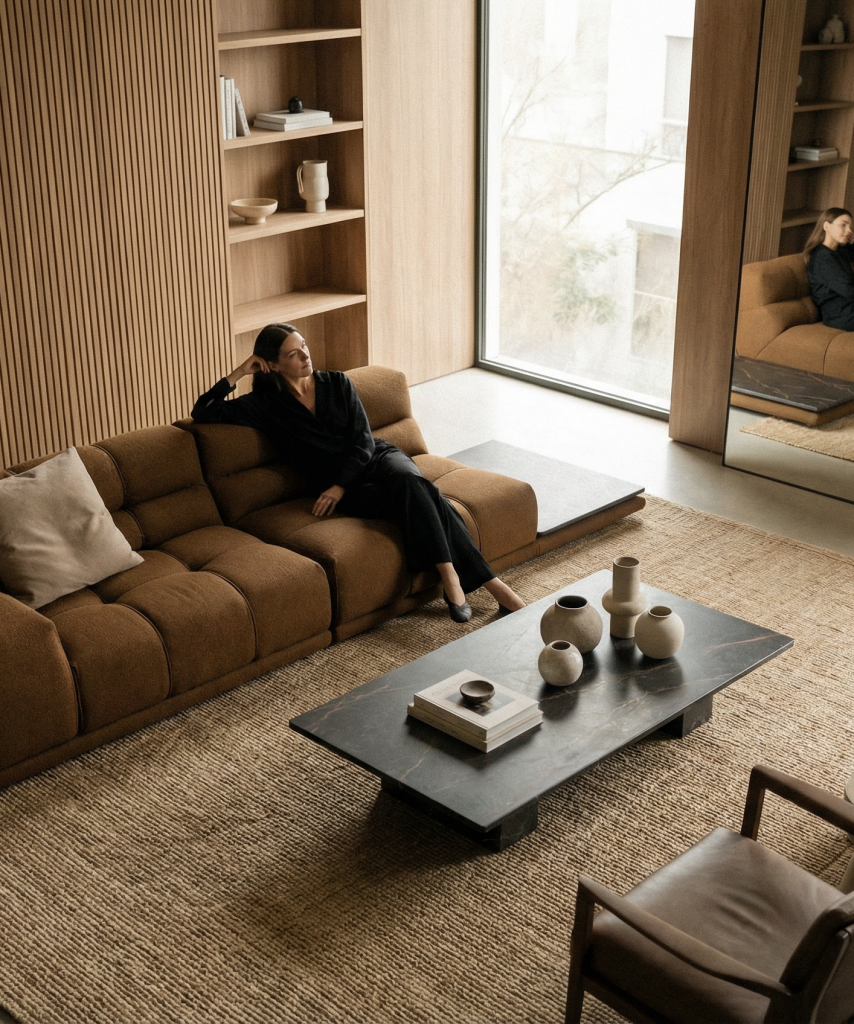
Umo X will work well both in the living room and guest room or home office, which can serve as an additional sleeping space if needed. This sofa was designed with contemporary interiors in mind, where aesthetics, comfort, and functionality complement each other.

TYPE
Simple sofa, fold-out

COMFORT TECHNOLOGY
Elastic belts – made of natural latex, ensuring the durability and elasticity of the seat.
SoftLayers™ – a system of multi-layer flexible foams, including a thermo+ layer, ensuring high comfort of use and high resistance to deformation.
VelaFit® – advanced nobonobo comfort technology based on ultra-thin fibers, ensuring exceptional lightness, elasticity and durability as well as a unique relaxation experience.

LEGS
Oak, black

UPHOLSTERY
Fabric or leather

COUNTRY OF PRODUCTION
Poland

Technical information

Materials and finishes

13 materials

DESIGNER

Tomasz Matejczyk

Co-founder of the nobonobo brand, which he founded with Monika Struska. Today, he combines his role as designer with responsibility for collection development, also through collaborations with other artists. His designs demonstrate a commitment to simplifying form and working with pure geometry.

The furniture he designed in the nobonobo collection includes the Classic and Feza sofas and the Siga 80 armchair, which combines a massive shape with the softness of the material and a clear reference to the aesthetics of the 1980s.

DISCOVER OUR SOFAS

Nobonobo sofas combine contemporary design, timeless style, and exceptional comfort. The collection includes modular sofas that allow for the freedom to create individual configurations, as well as straight and extendable models. The variety of shapes and solutions allows you to tailor the sofa to the character of your interior and your individual style of relaxation.
Are you an Architect or Interior Designer?
Join the dedicated Zone For Professionals

Need individual support?

Contact our advisor who will propose appropriate solutions.

Technical information

Technical dimensions [mm]
1. Total height 690
2. Backrest height 690
3. Seat height 380
4. Armrest height 500
5. Armrest width 250
6. Total depth 1120
7. Seat depth 720
8. Netflix Surface 2000/960
9. Sleeping area 2000/1360
10. Leg height 25

Are you an architect or interior designer?

Register at Professionals Zone, to access 3D files, inspiring photos and more.


THOMAS
MATEJCZYK

Co-founder of the nobonobo brand, which he founded together with Monika Struska. His path to design led through quality and craftsmanship; his previous experience in the automotive industry taught him an appreciation for design, materials and precision. Today, he combines the role of designer with responsibility for the development of the collection, also through collaboration with other creators. His designs are closely linked to the perspective of a craftsman and his pursuit of simplifying form and working with pure geometry.

The furniture he designed in the nobonobo collection includes the Classic and Feza sofas and the Siga 80 armchair, which combines a massive shape with the softness of the material and a clear reference to the aesthetics of the 1980s.

Nobonobo was created as a joint brand by you and Monika Struska. Initially, you weren't a designer. At what point did you start designing products in parallel, and how did that influence the brand's development?

My path to design led through quality and craftsmanship. My previous experience in the automotive industry taught me to pay attention to design, materials, and precision, including those elements of the product that the customer doesn't see but whose quality is felt during use. Over time, I became increasingly involved in shaping the furniture itself: its proportions, detail, comfort, and character. 

Alongside my responsibility for brand development, I also felt the need to give specific products their own unique form, and these two roles began to intertwine. To this day, the craftsman's perspective remains very close to my heart – an idea must be effective in terms of material, construction, and everyday use, especially in the case of a sofa, which is experienced both visually and with the whole body.

bibia dąb naturalny detal pion

Today, you combine the roles of designer and collection development co-creator through collaboration with other creators. How does this dual perspective impact how you define brand cohesion?

I look at each piece of furniture both as a standalone project and as part of a larger whole. As a designer, I focus on proportion, detail, and comfort; as a co-creator of nobonobo, I evaluate what a given piece brings to the collection and the direction it takes the brand forward.

I define cohesion primarily through consistency in decision-making. My benchmarks are expressive form, thoughtful comfort, and craftsmanship. This provides us with a common foundation while also allowing room for diverse creative personalities. It also requires a sense of distance from my own creation: I evaluate my own designs according to the same criteria as others. It is precisely in these choices that brand cohesion is born – in the conscious building of relationships between products that possess their own personalities, yet together create a recognizable collection.

Designs like Classic demonstrate a commitment to simplified form. What's your process like working with geometry, where's the fine line between simplicity and loss of character?

When working with geometry, the most important thing for me is the relationship between the individual parts of a piece of furniture: the width of the armrest relative to the seat, the height of the backrest, the proportions of the base and the overall shape. These relationships determine whether a sofa appears light, substantial, calm, or expressive. With a minimalist form, even a small change can significantly impact the character of the piece.

For me, the Classic is all about the balance between clear geometry and softness. The simple shape organizes the silhouette, while the cushions and upholstery lend it a relaxed, welcoming feel. The limits of simplification appear when yet another change begins to weaken what makes the piece recognizable. A well-simplified form possesses a certain obviousness: the individual parts fit together in a way that makes it difficult to imagine any other solution.

„The connection to the 1980s has a personal meaning for me, connected to childhood memories. The boldness, exuberance of form, and distinct personality of objects from that aesthetic are close to my heart. This project demonstrates the direction I want to develop at nobonobo: greater freedom in scale, more sculptural forms, and a bolder use of materials.”

Collections like Feza demonstrate the concept of furniture as an arrangement of solids functioning in relationship. When designing, do you think more about a single object or about a structure that organizes space?

I think primarily about the furniture as a whole, whose character stems from the relationships between its elements. In a sofa, the seat, backrest, armrests, and base must work together. I'm interested in how several shapes create one expressive, well-thought-out object. Modularity is also crucial for Feza: when designing such a piece, you have to consider both the individual element and its possible connections with others. Joints, line continuity, and how the sofa's proportions change as it expands become crucial. I want Feza to retain its character in both compact and more expansive versions, with each element finding its justification and creating a compelling whole with the others.

The latest Siga 80 armchair features a tension between the massive, blocky form and the softness of the material, with a clear reference to the aesthetic of the 1980s. How did you work on this balance, and what does this design say about the future development of the brand's language?

I wanted the solidity of the shape and the softness to reinforce each other. The blocky elements give the armchair a decisive silhouette, while the upholstery makes this same form pleasant to the touch. I sought balance primarily in the proportions of the seat, backrest, and armrests. In such a piece, even the slightest change in curve or fabric tension can determine whether the shape feels stiff or inviting.

The connection to the 1980s also has a personal meaning for me, connected to childhood memories. The boldness, exuberance of form, and distinct personality of objects from that aesthetic are close to my heart. This project demonstrates the direction I want to develop at nobonobo: greater freedom in scale, more sculptural forms, and a bolder use of materials. Simplicity is still important to me, but I'm increasingly interested in how much expression can be achieved with a few decisive elements.

„I look at each piece of furniture as both a standalone project and part of a larger whole. As a designer, I focus on proportions, detail, and comfort; as a co-creator of nobonobo, I evaluate what a given piece brings to the collection and the direction in which it develops the brand.”

When designing and developing a brand, you balance intuition with strategic decisions. What matters more to you today: consistency in design language, user needs, or the brand's business development?

I don't consider these three elements to be competing. For me, a good brand is created when form, user needs, and business development support each other. If one of these areas begins to dominate at the expense of the others, the product loses its balance. However, the starting point is always the furniture itself: it must have a compelling form, be comfortable, and meet the user's real needs. It's also important how it ages and how the user perceives it after several years, not just at the time of its release.

I don't understand consistency in brand language as repeating the same solutions, but as a way of thinking about proportion, comfort, build quality, and expressiveness. I view business development as a consequence of a good product, not the other way around.

SEARCH ENGINE

Discover nobonobo

Find your model, collection or inspiration.