THEO

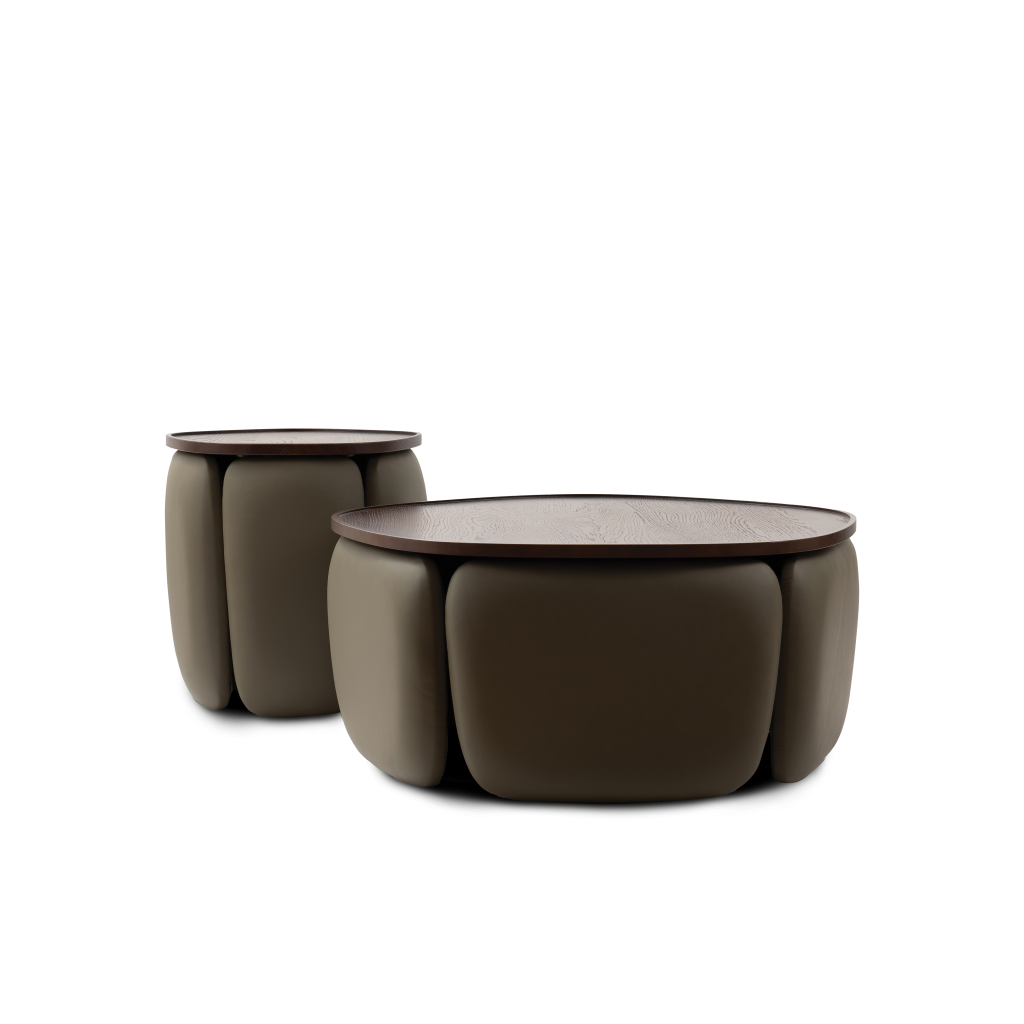
STOLIK THEO

designer: Greg McKinley

Nato to kolekcja stolików kawowych o trzech charakterystycznych kształtach: Oval, Stadium i Squoval. Asymetrycznie osadzony, fornirowany blat pozwala wygodnie przysunąć stolik do sofy lub fotela.

Collection Nato obejmuje trzy modele – Oval, Stadium i Squoval – których nazwy odnoszą się do charakterystycznych kształtów blatów. Ich formę powtarzają mniejsze, płaskie podstawy, tworząc spójną kompozycję opartą na tych samych geometrycznych liniach.

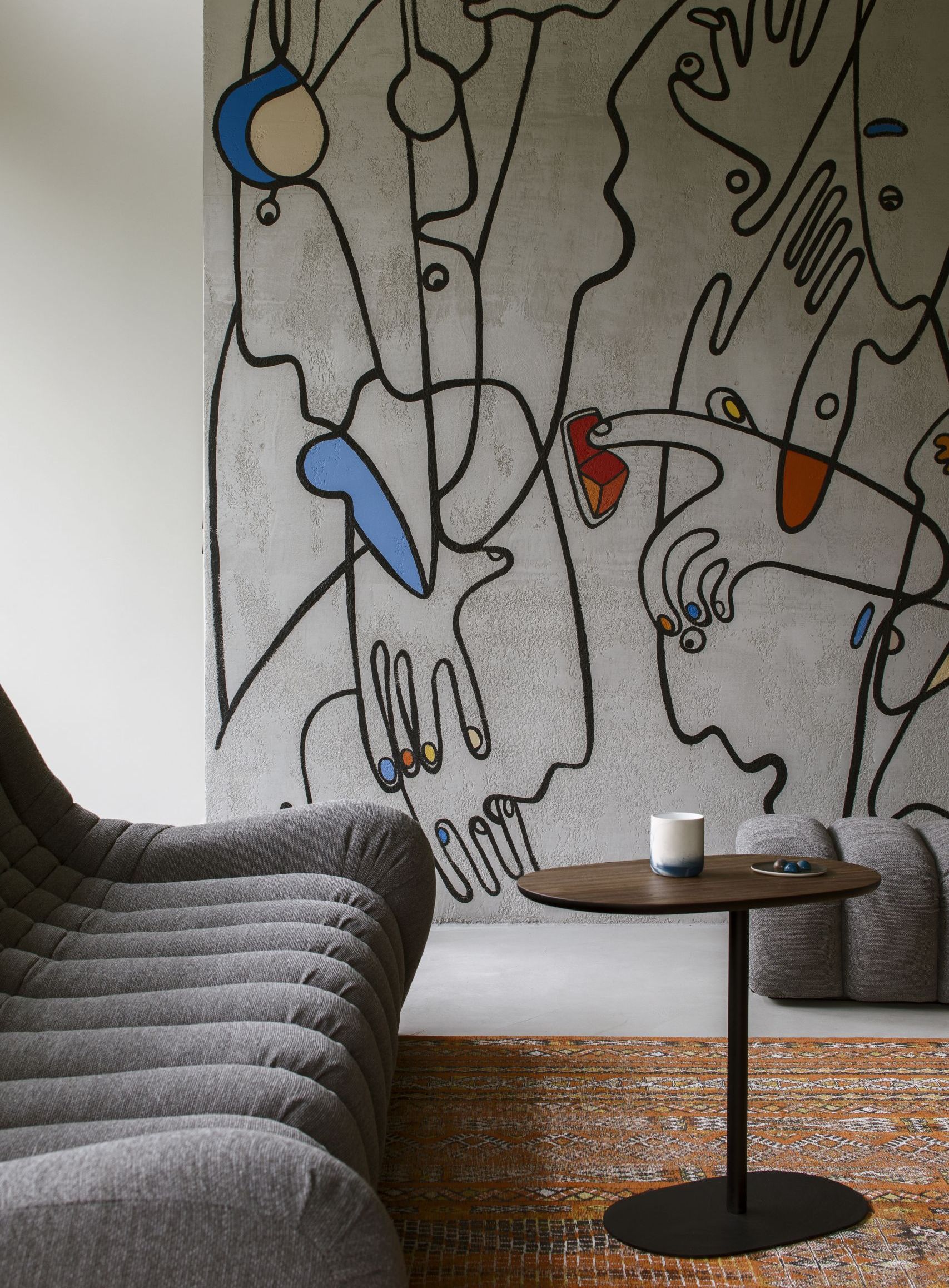
Asymetryczne osadzenie blatu pozwala przysunąć stolik blisko sofy lub fotela, a także częściowo nasunąć go nad siedzisko. Blaty dostępne są w fornirze dębowym naturalnym, fornirze dębowym czarnym oraz w fornirze z orzecha amerykańskiego. Smukła metalowa noga i płaska podstawa podkreślają lekką, minimalistyczną formę kolekcji.

TABLETOP
Fornir dębowy lub fornir z orzecha amerykańskiego

TABLETOP SHAPE
Oval, Stadium lub Squoval

OVAL
60 × 37 cm · wysokość 54 cm

STADIUM
60 × 38 cm · wysokość 54 cm

SQUOVAL
60 × 38 cm · wysokość 54 cm

BASE
Metal, black

COUNTRY OF PRODUCTION
Poland

Technical information

Materials and finishes

13 materials

DESIGNER

Greg McKinley

A designer from Wellington, New Zealand, whose path to design led through electrical engineering, architectural visualization, and self-developed 3D modeling skills. He creates forms primarily directly in the digital space.

The nobonobo collection includes his designs: the Parfait armchair, which has won numerous awards in international competitions, the Peter bed, and the Split It modular sofa.

Are you an Architect or Interior Designer?
Join the dedicated Zone For Professionals

Need individual support?

Contact our advisor who will propose appropriate solutions.

Technical information

Technical dimensions [mm]
1. Total height 540
2. Długość całkowita 600
3. Szerokość całkowita Oval 370
4. Szerokość całkowita Stadium/ Squoval 380

Are you an architect or interior designer?

Register at Professionals Zone, to access 3D files, inspiring photos and more.

GREG MCKINLEY

A designer from Wellington, New Zealand, whose path to design led through electrical engineering, architectural visualization, and self-developed 3D modeling skills. He creates forms most often directly in the digital space.

The nobonobo collection includes his designs: the Parfait armchair, which has won numerous awards in international competitions, the Peter bed, and the Split It modular sofa.

Your path to furniture design led you through electrical engineering, architectural visualization, and self-developed 3D modeling skills. How has this non-linear career path, far from traditional design schools, influenced your work?

Through my electrical engineering studies, I became familiar with 3D modeling software. My experience in modeling combined with architectural visualization gave me a unique perspective on starting the design process by creating prototypes using 3D software. Only some of my projects begin with hand-drawn sketches on paper. Architectural visualization gave me experience in combining shapes, materials, and colors in aesthetically pleasing ways.

parfait mood authors

The parfait was created directly in Marvelous Designer, which is evident in its quilting, almost confectionary, fluffy texture. How much of the final design was discovered in the tool, and how much was planned in advance?

My initial inspiration was an image of a simple, quilted piece of fabric I found online. It was this aesthetic I wanted to capture in the overall look of the quilt. I then moved to 3ds Max to create the main form of the chair. Marvelous Designer was essential for creating the feather quilting, helping me achieve the desired final result.

The Parfait armchair, the Peter bed, and the Split It modular sofa are three very different objects, yet they share a certain sensual exuberance of form. Is there a common, intuitive starting point that emerges in every project you design?

I'd say platforms like Pinterest and Google often inspire me to create new designs and images using artificial intelligence. I enjoy exploring sculptural forms, sometimes linear ones, two-dimensional drawings, materials, and upholstery details. This helps me gather ideas that I later incorporate into 3D design.

„Only some of my designs start with hand-drawn sketches on paper. Architectural visualization gave me experience in combining shapes, materials, and colors in an aesthetically pleasing way.”

Parfait received an Honorable Mention at the New York Design Awards. What do you think the jury saw in this chair? And does this interpretation align with what you had in mind when designing it?

I think the jury appreciated the unique aesthetic of the Parfait, the overall comfort, and the avant-garde character of this armchair. Perhaps they would like to encourage others with alternative educational paths to get involved in furniture design in the future? Anything is possible.

„I enjoy exploring sculptural forms, sometimes linear ones, two-dimensional drawings, materials, and upholstery details. This helps me gather ideas that I later use in 3D design.”

You design in Wellington, but the furniture is manufactured in Poland – a rather geographically distant collaboration. How does the distance from the factory, the European market, and the physical materials affect the work process?

I'm incredibly impressed with nobonobo's execution of my designs. Some elements are exactly as I imagined, while others have been refined from my original design. I'm always open to positive collaboration to create the best possible outcome for a piece of furniture. I have complete confidence in nobonobo's ability to bring my designs to life, regardless of the geographical distance between us.

SEARCH ENGINE

Discover nobonobo

Find your model, collection or inspiration.